Newsletter Subscribe
Enter your email address below and subscribe to our newsletter
Enter your email address below and subscribe to our newsletter

 ByJohn A
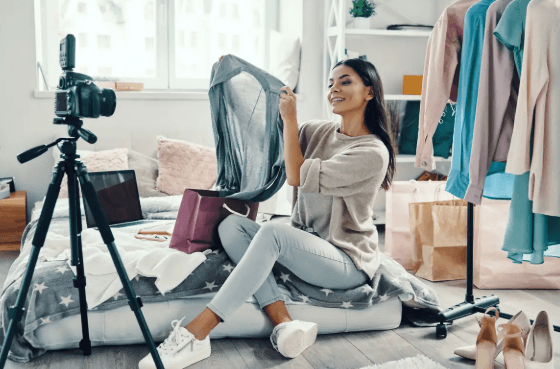
Fashion content creation demands a clear niche and a distinctive voice. A repeatable visual system anchors mood, lighting, and styling, guiding consistency across shoots. Mastered shoot flow relies on deliberate posing cues and steady on-set routines to maintain momentum. Editing should be purposeful, with color decisions and typography aligned to platform needs. When these elements converge, narrative becomes scalable, yet the path invites further refinement—a nuance that keeps practitioners pushing beyond the basics.
Defining a fashion content niche and voice sharpens focus and guides every decision, from topics to tone.
The approach centers on define fashion niche and establish brand voice to align content strategy with audience positioning, delivering precise signals about style, expertise, and values.
This clarity enables consistent messaging, distinctive tone, and strategic differentiation within competitive spaces, attracting freedom-seeking readers and intentional creators.
Can a consistent mood, lighting, and styling system elevate fashion content from good to enduringly recognizable?
A strategic framework establishes mood consistency, lighting ratios, and styling cohesion across shoots, reinforcing on set routines, framing rules, and pose sync.
Color grading, platform titling, and visual narrative align with creative standards, ensuring scalable, repeatable results and authentic, freedom-driven brand storytelling.
Master shoot flow integrates deliberate posing, framing, and on-set routines into a seamless operational cadence. The approach emphasizes efficiency: clear cues, steady tempo, and adaptive posing transitions that keep momentum without stiffness. Framing diagrams anchor movement, guiding camera, model, and crew. This structure grants creative freedom within constraints, enabling consistent, publishable outcomes while allowing spontaneous, strategic experimentation.
With the shoot’s momentum established, the editor’s task shifts to shaping the visual narrative through purposeful color, maintained consistency, and platform-minded titling. Color theory guides palettes that unify scenes, while deliberate font pairing sustains readability and brand voice across formats. Strategic edits align each frame with audience expectations, ensuring concise captions, legible headlines, and platform-appropriate styling for liberated, intentional storytelling.
See also: obvtech
ROI is measured by tracking conversions and revenue relative to spend, using engagement lift, influencer metrics, and platform benchmarks to compare performance across channels. The approach emphasizes clear attribution, iterative optimization, and strategic, freedom-minded decision-making.
Startup fashion content budgets vary, but a lean baseline exists: start with small, agile investments. Satire aside, prudent startup costs, budget planning, free tools, cost saving tactics sustain momentum while preserving freedom and strategic growth.
To collaborate with brands without a media kit, one should pursue targeted collaboration outreach and craft concise value propositions; emphasize brand storytelling, mutual goals, and authentic content samples to demonstrate potential impact and alignment with the brand’s mission.
The most important analytics for fashion content success are engagement metrics and audience segments; they reveal what resonates, where to invest, and how to tailor messages, enabling strategic freedom to maneuver audiences across platforms.
Protecting licenses and rights ownership requires proactive rights management, clear licensing strategies, and robust documentation. The approach centers on defining terms, tracking usage, and enforcing violations, enabling freedom while safeguarding content ownership and preventing unauthorized exploitation.
A concise, strategic takeaway: steady the process by defining a clear niche and voice, then build a repeatable visual system that unifies mood, lighting, and styling. Master shoot flow with deliberate posing and framing cues, while streamlining on-set routines to sustain momentum. Edit with purpose—apply color theory and consistent typography aligned to each platform. Weave these elements into platform-tuned narratives that feel authentic and scalable. Think of a vintage jetpack humming beside a smartphone, signaling timeless craft meeting modern reach.